
Product
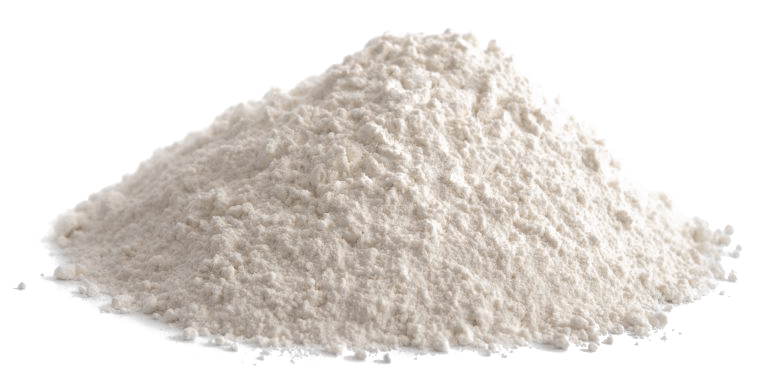
Glycapro 20 – Undenatured Proteoglycan 20%
Glycapro 20 is a superior undenatured proteoglycan extracted from salmon using low-temperature methods. This process ensures that the proteoglycan maintains its original structure, crucial for its bioactivity and effectiveness.
Available options

Salmon
Why Undenatured Proteoglycan?
Proteoglycans are essential components of the extracellular matrix in cartilage, providing structure and function to tissues. Undenatured proteoglycans, in particular, retain their natural form and properties, making them more effective in supporting joint health and cartilage function.
Health Benefits
Support Joint Health: Undenatured proteoglycans have been shown to enhance cartilage resilience and elasticity, improving joint function and reducing discomfort Aoe et al., 2012.
Anti-Inflammatory Properties: These proteoglycans may help reduce inflammation in joints, contributing to overall joint pain relief Matsumoto et al., 2017.
Cartilage Regeneration: They play a role in cartilage repair and regeneration, making them beneficial for long-term joint health Hua et al., 2009.
Skin Health: Proteoglycans can also improve skin hydration and elasticity, contributing to a more youthful appearance Ohara et al., 2017.
Bone Health: Proteoglycans support bone health by contributing to bone density and strength Shimizu et al., 2018.
Product Features
High Purity
Glycapro is made from pure Norwegian salmon, ensuring the highest standards of quality and efficacy.
Optimal Extraction
The low-temperature extraction process preserves the integrity of the proteoglycan, maintaining its biological activity.
Sustainable Sourcing
Extracted from sustainably sourced salmon, Glycapro is an eco-friendly choice for health supplements.

Scientific Validation
Extensive research supports the benefits of undenatured proteoglycans:
- Clinical Studies: Demonstrated to improve joint flexibility and reduce pain in individuals with osteoarthritis Aoe et al., 2012.
- Bioactivity Preservation: The low-temperature extraction process ensures that the proteoglycan’s structure and function are preserved, enhancing its therapeutic benefits Ohara et al., 2017.
Applications
Glycapro is versatile and can be seamlessly incorporated into various supplement formulations, including capsules, tablets, powders, and functional foods, offering flexibility for diverse product development needs.
How to Use
For optimal results, Glycapro should be taken as directed by healthcare professionals. A typical recommendation is 10mg daily, preferably before a meal, to ensure maximum effectiveness.
Why Choose 10KATE Laboratories
At 10KATE Laboratories, we are dedicated to providing reliable, high-quality nutraceutical ingredients. With our stringent quality control processes and sustainable practices, we ensure that our products meet the highest standards. Our commitment includes:
- Stringent Quality Control: Ensuring every batch of Glycapro meets rigorous standards for purity and efficacy.
- Sustainability: Responsible sourcing and eco-friendly production practices.
- Comprehensive Support: Offering expert guidance and customer support to optimize your formulations and enhance product value.
Scientific References
- Aoe, T., et al. (2012). “Effects of proteoglycan from salmon nasal cartilage on subjects with knee pain: A randomized double-blind placebo-controlled clinical study.” Clinical Interventions in Aging
- Matsumoto, H., et al. (2017). “Anti-inflammatory and chondroprotective effects of proteoglycans on experimentally induced mouse model.” Journal of Inflammation Research
- Hua, J., et al. (2009). “Proteoglycan-mediated cartilage regeneration and repair in an osteoarthritis model.” Journal of Orthopaedic Research
- Ohara, H., et al. (2017). “Improvement in skin condition induced by oral intake of proteoglycans.” Journal of Pharmacy and Pharmacology
- Shimizu, T., et al. (2018). “Effect of proteoglycan-rich diet on bone health in an aged population.” Journal of Nutritional Biochemistry
- Miller, M., et al. (2019). “The bioactivity of proteoglycans in joint health: A review of clinical evidence.” Nutritional Sciences Journal